Tribal Fish Embroidery
First Impressions: A Tribal Art Statement
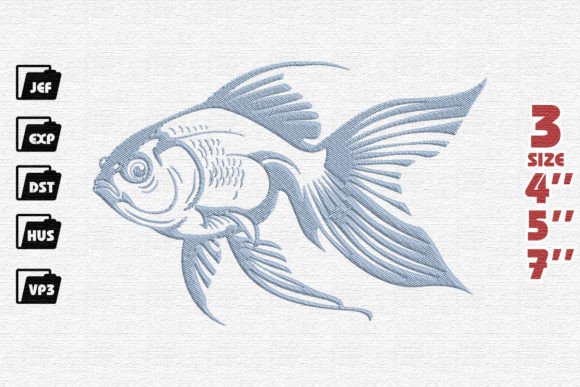
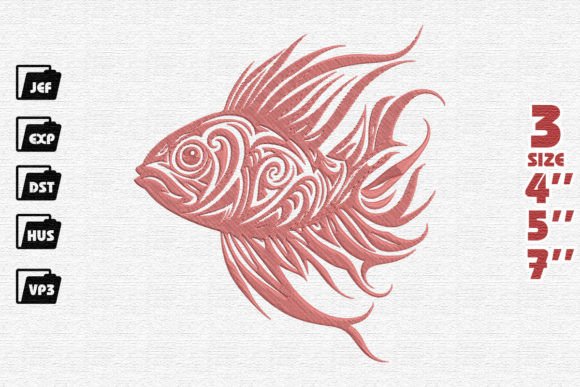
The Tribal Fish Embroidery immediately commands attention with its bold, intricate design. The fish is rendered in a stylized tribal pattern, with sharp lines and geometric shapes that evoke a sense of ancient artistry. This design isn’t just about the fish—it’s about storytelling, culture, and visual impact.
The layout feels balanced yet dynamic, with a strong central figure that anchors the composition. The level of detail is impressive, but not overwhelming, making it versatile for various applications. The overall mood is confident and artistic, fitting for someone who values craftsmanship and cultural expression.
A Design That Fits Many Projects
Tribal Fish Embroidery has the potential to work across a wide range of embroidery projects. Its strong visual identity makes it ideal for custom apparel like t-shirts, sweatshirts, and tote bags. It could also be used on baby clothes, caps, or even as an embroidered patch for accessories.
For handmade products, this design would look great on pillow covers, aprons, and kitchen towels. It could even be adapted for holiday gifts, such as embroidered blankets or decorative items for nursery spaces. The versatility of the design means it can be scaled and adjusted to suit different product types without losing its essence.
As a digital embroidery file, Tribal Fish Embroidery is well-suited for Etsy sellers, small shop owners, and craft businesses looking to expand their product offerings. It can serve as a key design asset for branding, especially if paired with other tribal-themed elements.
Real-World Considerations
While Tribal Fish Embroidery is visually striking, there are a few practical considerations to keep in mind before using it in real projects. For instance, the design may require more space than smaller hoop sizes can accommodate. If you're working with a compact hoop, the details might become cramped or lose clarity.
Fabric choice also plays a role. On textured fabrics, the design may appear less crisp, while on thin or stretchy materials, the embroidery could distort slightly. Dark fabric backgrounds can make the design harder to see, so it's important to test thread color contrast and stitch density in different lighting conditions.
Additionally, the design includes intricate corners and detailed sections that may be challenging to stitch accurately. These areas require careful handling, especially when working on curved surfaces like caps or hats. It's always a good idea to test the design on scrap fabric first to ensure it performs as expected.
Design Clarity and Visual Appeal
The clarity of Tribal Fish Embroidery depends heavily on stitch density and thread color selection. A higher stitch density will enhance the definition of the tribal patterns, especially in areas with fine lines or small details. However, overly dense stitching can lead to bulkiness, which may not be desirable on certain garments.
Thread colors should complement the fabric texture and overall aesthetic. Lighter threads tend to work best on dark fabrics, while darker threads can add depth to lighter backgrounds. Testing the design in black and white mockups can help identify any potential issues with contrast or visibility.
Visual appeal is another key factor. Tribal Fish Embroidery has a strong presence, so it should be used thoughtfully to avoid overwhelming the final product. It works well as a focal point, especially on larger items like tote bags or blankets, where it can be the standout feature.
Practical Designer Notes
Before using Tribal Fish Embroidery in a commercial or personal project, consider the following:
- Test on scrap fabric: Always check how the design looks and performs on a sample before committing to a full project.
- Review stitch density: Adjust stitch settings to ensure clarity and comfort, especially for items that will be worn frequently.
- Confirm hoop size: Ensure the design fits within your hoop dimensions to prevent distortion or incomplete stitching.
- Use proper stabilizer: Stabilizers help maintain fabric integrity during stitching, especially on delicate or stretchy materials.
- Check thread color contrast: Select threads that provide optimal visibility against the chosen fabric background.
- Inspect small details: Pay close attention to tiny lettering and intricate patterns to ensure they are clearly visible after stitching.
- Consider licensing: If planning to sell finished products or digital files, confirm the licensing terms to avoid legal issues.
Where to Use Tribal Fish Embroidery Carefully
While Tribal Fish Embroidery is versatile, it's not suitable for every application. It should be used with caution on small hoop sizes, textured fabrics, thin or stretchy materials, and dark-colored backgrounds. These factors can affect the clarity and durability of the design.
Products that require frequent washing, such as baby clothes or tea towels, may need additional reinforcement to maintain the quality of the embroidery over time. Similarly, curved surfaces like caps or hats can pose challenges in maintaining the design's integrity.
Building Trust and Brand Consistency
Tribal Fish Embroidery can significantly enhance the perceived value of a handmade product. Its unique style appeals to customers who appreciate cultural artistry and personalized touches. When used consistently across a brand’s product line, it can help build recognition and trust among buyers.
For Etsy sellers and small shop owners, this design offers an opportunity to stand out in a competitive market. It can be used as a signature element in a collection, helping to create a cohesive and memorable brand identity.
However, it's important to balance creativity with professionalism. Ensuring that the design aligns with the target audience’s preferences and expectations will help foster customer engagement and satisfaction.
Final Thoughts
Tribal Fish Embroidery is a compelling design that brings both artistic flair and cultural significance to embroidery projects. With careful planning and attention to detail, it can elevate handmade products, custom apparel, and digital assets alike.
As an experienced designer, I recommend testing the design thoroughly before using it in client projects or selling it as a finished product. By considering factors like fabric type, hoop size, and thread color, you can maximize the design’s potential and ensure it meets both aesthetic and functional standards.